
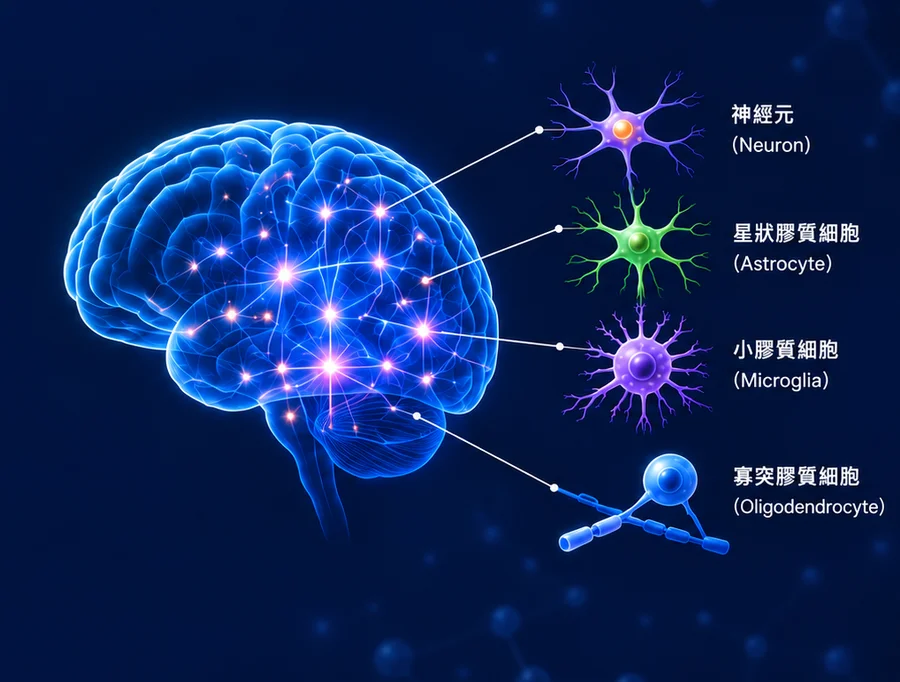
Accurate Analysis
Multiparameter flow cytometry for precise cell population identification
Early Risk Assessment
Early evaluation of neuroinflammation and immune abnormalities
Functional Evaluation
Assess cell activation, function, and inflammatory responses
Longitudinal Monitoring
Monitor therapeutic response and support personalized health management
Applicable To
Neurodegenerative Disorders
e.g., Alzheimer's disease, Parkinson's disease, etc.
Autoimmune Diseases
e.g., Multiple sclerosis (MS), SLE, etc.
Cerebrovascular Diseases
e.g., Stroke, vascular dementia, etc.
Stress / Mood Disorders
e.g., Depression, anxiety, fatigue, etc.
Health & Wellness Management
Preventive screening and brain health optimization
Test Contents (Multiparameter Neuro Cell Analysis)
Neurons (Neuronal Markers)
- Neurofilament (NfL)
- Tau Protein
- β-amyloid
- MAP2
- Synaptophysin
Astrocytes (Astrocyte Markers)
- GFAP
- AQP4
- S100B
- GLAST
Microglia (Microglia Markers)
- CD11b
- CD45 (low/-)
- HLA-DR
- CD68
- CD86 (Activation)
- CD163 (Inhibition)
Oligodendrocytes (Oligodendrocyte Markers)
- O4
- MBP
- MOG
- PLP
Neurotrophic Factors & Cytokines
- BDNF
- GDNF
- NGF
- VEGF
Test Workflow

Sample Collection
Collect peripheral blood sample

Cell Staining
Stain cells with specific antibody panels

Flow Cytometry Analysis
Acquire data using multiparameter flow cytometry

AI Data Analysis
AI algorithm analysis and biomarker interpretation

Report Generation
Comprehensive report with clinical insights

Clinical Application
Personalized recommendations and follow-up
Multicolor Flow Cytometry Image Examples
* Images are for reference only. Actual results may vary.
GFAP (Astrocytes)
CD11b (Microglia)
MAP2 (Neurons)
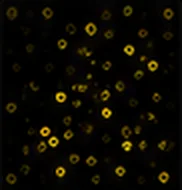
MBP (Oligodendrocytes)
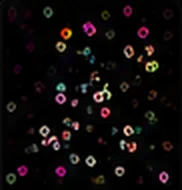
Merge (Composite)
Brain & Neuro Cell Reference Ranges
| Indicator | Reference Range (%) | Clinical Significance |
|---|---|---|
| Neuroinflammation Index (NfL+ Cell Ratio) | 0.1 – 0.5 | Reflects neuronal injury and repair status |
| Astrocyte Activation (GFAP+) | 1 – 5 | Reflects neuroinflammation and activation level |
| Microglia Activation (CD11b+HLA-DR+) | 5 – 15 | Reflects microglial activation and immune response |
| Oligodendrocytes (MBP+) | 2 – 8 | Reflects myelin integrity and repair capacity |
| Neurotrophic Factor (BDNF+) | 5 – 20 | Reflects neuroprotection and repair potential |
* Reference ranges vary by age, sex, and laboratory.
Clinical Application Value
Early Detection of Neurodegeneration
Identify early biomarkers for neurodegenerative diseases
Neuroinflammation Assessment
Monitor neuroinflammation and immune activation
Treatment Response Monitoring
Evaluate treatment efficacy and disease progression
Personalized Brain Health Management
Provide tailored interventions and lifestyle guidance
Risk Stratification & Prevention
Support long-term brain health and disease prevention
Key Features
- Multiparameter flow cytometry for comprehensive neuro cell profiling
- Evaluate activation status of microglia and astrocytes
- Quantify key neural and immune cell subsets
- Assess neuroinflammation and related cytokine responses
- Identify neurotrophic factors and functional biomarkers
- AI-driven integrated analysis and risk stratification
- Provide personalized brain health management and therapeutic recommendations
Test Specifications
- Sample Type: Peripheral blood 5–10 mL (EDTA tube)
- Testing Method: Multiparameter flow cytometry
- Turnaround Time: 7–10 business days
- Applicable Population: Adults and children (≥ 3 years)
- Report Content: Cell subset analysis, activation status, biomarker levels, reference interpretation, and personalized recommendations
Important Notes
- No fasting required before test
- Avoid intense exercise 24 hours before sampling
- Inform physician of current medications
- Pregnancy or acute infection may affect results; consult physician
- Test results should be interpreted by a specialist in conjunction with clinical findings
FAQ
Q.Can the Brain & Neuro Cell Profiling Test diagnose neurological diseases?
This test is designed for neurological health assessment and risk evaluation. It helps identify neuroinflammation, neurodegeneration, and neuronal injury, but it is not intended to replace a clinical diagnosis.
Q.Do abnormal results mean I will develop a neurological disease?
Not necessarily. Abnormal findings may indicate an increased risk of neuroinflammation, neuronal injury, or neurodegenerative processes, and should be interpreted alongside clinical symptoms and medical evaluation.
Q.How often should I take this test?
Follow-up testing every 6–12 months is generally recommended, depending on individual risk factors, neurological health status, and physician recommendations.
Q.Does the test involve any radiation exposure?
No. The test only requires a peripheral blood sample and does not involve radiation or invasive imaging procedures.
Q.How can the test results be used?
The results can support neurological health management, disease risk assessment, treatment monitoring, and the development of personalized healthcare strategies.
Q.Can children take this test?
Yes. The test is recommended for children aged 3 years and older, with testing performed under the guidance of a qualified healthcare professional.