
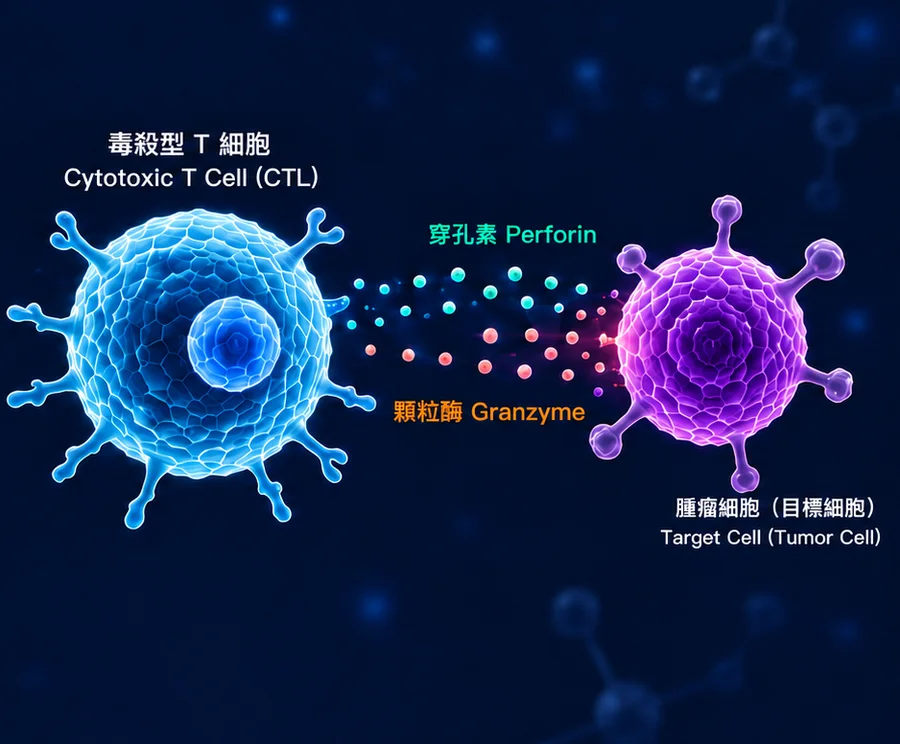
Accurate Immune Assessment
Quantify CTL proportion and activation status
Cancer & Infection Monitoring
Evaluate response to tumors and viral infections
Therapeutic Response Evaluation
Predict treatment response and monitor effectiveness
Personalized Health Management
Provide tailored immune strategies and follow-up
1
Recognize Target
TCR recognizes antigen
2
Activate CTL Expansion
CTL activation and proliferation
3
Release Cytotoxic Molecules
Perforin / Granzyme release
4
Kill Target Cell
Induce target cell lysis / apoptosis
Applicable To
Cancate Patients
Evaluate immune function and treatment response
Chronic Infection Patients
Monitor immune response in HIV, HBV, HCV, and others
Post-treatment Patients
Monitor immune recovery and recurrence risk
Vaccine Recipients
Evaluate vaccine-induced immune response
Health Screening Individuals
Understand immune status and disease risk
Test Contents
Using multiparameter flow cytometry, we comprehensively analyze CTL quantity, subset distribution, and functional status.
Surface Marker Analysis
- CD3
- CD8
- CD45RA / CD45RO
- CCR7
- CD27
- CD28
Activation/Proliferation Analysis
- CD69
- CD137 (4-1BB)
- HLA-DR
- Ki-67
Function/Cytotoxicity Analysis
- Granzyme B
- Perforin
- IFN-γ
- TNF-α
- CD107a (Degranulation)
- PD-1 / TIM-3 / LAG-3
Test Workflow

Sample Collection
Collect peripheral blood sample

Cell Separation
Isolate PBMCs from peripheral blood

Staining & Flow Cytometry
Multipanel staining and flow cytometry analysis

AI Analysis
AI algorithm analysis and functional scoring

Report Generation
Professional report with interpretation

Clinical Application
Personalized Immune management and recommendations
Multicolor Flow Cytometry Image Examples
* Images are for reference only. Actual results may vary.
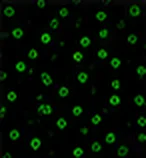
CD3 (T Cells)
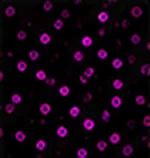
CD8 (Cytotoxic T Cells)
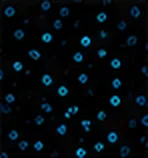
Granzyme B
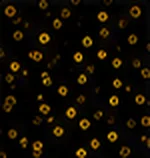
Perforin
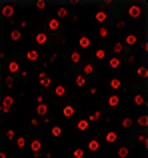
CD107a (Degranulation)

Merged Image
CTL Reference Ranges
| Indicator | Reference Range (%) | Clinical Significance |
|---|---|---|
| CD3+CD8+ T Cells (CTL) | 15 – 35 | Reflect overall CTL level and immune competence |
| Activated CTL (CD69+) | 5 – 20 | Reflect activation status and immune response |
| Granzyme B+ Cells | 20 – 60 | Reflect cytotoxic function potential |
| Perforin+ Cells | 10 – 40 | Reflect cytotoxic molecule expression |
| Degranulation (CD107a+) | 5 – 25 | Reflect degranulation and cytotoxic capability |
| IFN-γ+ Cells | 10 – 40 | Reflect Th1 immune response |
| PD-1+ CTL Proportion | 5 – 25 | Reflect immune exhaustion status |
* Reference ranges may vary by laboratory and population.
Clinical Applications
Cancer Immunotherapy Monitoring
Evaluate CTL function and optimize immunotherapy strategies
Infection Immune Monitoring
Monitor immune response and viral infection control
Treatment Efficacy Evaluation
Assess treatment response and recurrence risk
Vaccine Efficacy Evaluation
Evaluate vaccine-induced immune protection
Personalized Immune Management
Develop individualized immune plans and follow-up strategies
Key Features
- Multiparameter flow cytometry with standardized protocols
- Quantify CTL subsets and their functional proportions
- Evaluate cytotoxic molecule expression and activation status
- Assess antigen presentation function (MHC I/II expression)
- Comprehensive functional activity assessment
- AI-driven algorithm for integrated evaluation
- Provide personalized immune management and therapeutic recommendations
Test Specifications
- Sample Type: Peripheral blood 5–10 mL (EDTA tube)
- Testing Method: Multiparameter flow cytometry
- Turnaround Time: 7–10 business days
- Applicable Population: Adults and children
- Report Content: CTL quantity, subset distribution, activation status, functional markers, and clinical recommendations
Important Notes
- No fasting required before test
- Avoid intense exercise 24 hours before testing
- Inform physician of current medications
- Pregnancy or acute infection may affect results; consult physician
- Test results should be interpreted by a specialist in conjunction with clinical findings
FAQ
Q.What are Cytotoxic T Cells (CD8+ T Cells)?
Cytotoxic T cells (CTLs) are a key component of the adaptive immune system and are responsible for identifying and eliminating virus-infected cells and cancer cells.
Q.What does reduced cytotoxic activity indicate?
Reduced cytotoxic activity may suggest impaired immune defense, chronic infection, immune exhaustion, or a weakened anti-tumor immune response.
Q.Does a higher CTL count always mean better immunity?
Not necessarily. Both the quantity and functional activity of CTLs are important. Comprehensive evaluation of activation, proliferation, and cytotoxic markers is recommended.
Q.Can this test evaluate immunotherapy effectiveness?
Yes. Monitoring changes in CTL activity and function can help assess treatment response and support immunotherapy decision-making.
Q.Is follow-up testing recommended?
Follow-up testing every 2–3 months is recommended to monitor immune status, treatment response, and disease progression.
Q.Is there an age requirement for this test?
No. The test is suitable for both adults and children and can be applied to immune health monitoring across different age groups.