
Immune Status Assessment
Evaluate T cell functional status and immune competence
Therapeutic Response Prediction
Predict treatment efficacy and optimize therapeutic strategies
Immune Profile Analysis
Analyze exhausted and memory T cell subsets and their functions
Personalized Decision Support
Provide individualized recommendations for health management
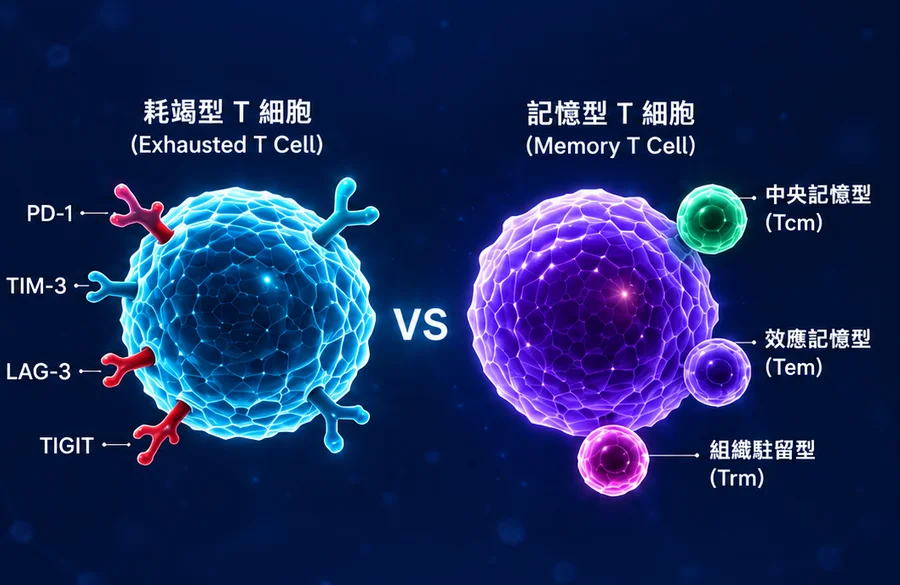
Exhausted T Cell
Loss of function, ineffective tumor elimination and increased susceptibility to infection
Memory T Cell
Rapid response, long-term protection and sustained immune defense
Applicable To
Cancer Patients
Evaluate immune status before and after treatment
Chronic Infection Pratients
e.g., HIV, HBV, HCV, hepatitis, etc.
Autoimmune Disease Patients
e.g., MS, SLE, rheumatoid arthritis, etc.
Immunodeficiency Patients
Assess immune function and monitor progression
Health Management Seekers
Monitor immune aging and optimize health
Test Contents
Comprehensive multiparameter flow cytometry analyzes exhausted and memory T cell markers and functional subsets.
Exhausted T Cell Markers
- PD-1 (Programmed Death-1)
- TIM-3 (T cell Immunoglobulin and Mucin-3)
- LAG-3 (Lymphocyte Activation Gene-3)
- TIGIT
- CTLA-4
Memory T Cell Markers
- CD45RO (Memory marker)
- CD62L (L-selectin)
- CCR7 (Chemokine receptor 7)
- CD127 (IL-7 Receptor α)
- CD27 (Co-stimulatory molecule)
- CD28 (Co-stimulatory molecule)
Test Workflow

Sample Collection
Collect peripheral blood

Cell Separation
Isolate PBMCs from blood

Staining
Stain with fluorochrome-conjugated antibodies

Flow Cytometry Analysis
Acquire data using multiparameter flow cytometry

AI Data Analysis
AI algorithm analysis and immune profile interpretation

Report & Consultation
Generate report and provide clinical recommendations
Multicolor Flow Cytometry Image Examples
* Images are for reference only. Actual results may vary.
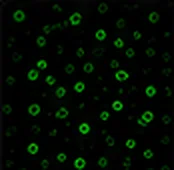
PD-1 (Exhausted Marker)
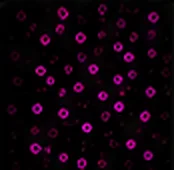
TIM-3 (Exhausted Marker)
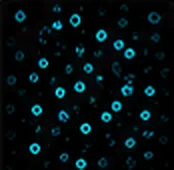
LAG-3 (Exhausted Marker)
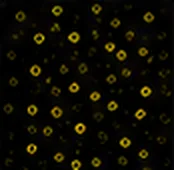
CD45RO (Memory Marker)
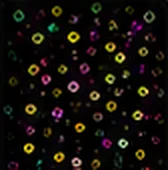
Merge (Composite)
Exhausted + Memory T Cell Reference Ranges
| Indicator | Reference Range (%) | Clinical Significance |
|---|---|---|
| PD-1+ T Cells | 5 – 20 | Reflects T cell exhaustion level |
| TIM-3+ T Cells | 2 – 10 | Indicates deeper T cell exhaustion |
| LAG-3+ T Cells | 2 – 10 | Associated with impaired T cell function |
| Dual Positive (PD-1+TIM-3+) | 1 – 5 | Higher exhaustion and poor prognosis |
| Central Memory T Cells (Tcm) | 10 – 40 | Long-term immune memory |
| Effector Memory T Cells (Tem) | 10 – 35 | Rapid immune response capability |
| Tissue-Resident Memory (Trm) | 1 – 10 | Local immune protection and surveillance |
* Reference ranges may vary by age, sex, and laboratory.
Clinical Application Value
Predict Immunotherapy Response
Assess potential response to immune checkpoint inhibitors
Monitor Disease Progression
Track immune status changes in chronic diseases
Guided Treatment Optimization
Support personalized treatment adjustments
Evaluate Vaccine Efficacy
Assess immune response after vaccination
Early Detection of Immune Imbalance
Identify immune dysfunction and risk early
Support Health Management
Prevent immune aging and reduce disease risk
Key Features
- Multiparameter flow cytometry for precise immune profiling
- Quantify exhausted & memory T cell subsets and their proportions
- Evaluate activation status and functional characteristics
- Assess immune checkpoint expression and inhibition status
- Analyze cytokine production and neuroimmune-related factors
- Integrate AI algorithms to deliver comprehensive reports
- Support clinical decision-making and personalized health management
Test Specifications
- Sample Type: Peripheral blood 5–10 mL (EDTA tube)
- Testing Method: Multiparameter flow cytometry
- Turnaround Time: 7–10 business days
- Applicable Population: Adults and children (≥ 3 years)
- Report Content: Exhausted & memory T cell analysis, activation status, functional markers, reference ranges and personalized recommendations
Important Notes
- No fasting required before test
- Avoid intense exercise 24 hours before sampling
- Inform physician of current medications
- Pregnancy or acute infection may affect results; consult physician
- Test results should be interpreted by a specialist in conjunction with clinical findings
FAQ
Q.Is fasting required before the test?
No. Fasting is not required before the test, and you may maintain your normal diet and daily routine.
Q.Does a higher level of exhausted T cells indicate weaker immunity?
Generally, an increased proportion of exhausted T cells suggests prolonged immune stimulation and reduced immune function, which may be associated with chronic infections, cancer, or immune aging.
Q.Does having more memory T cells mean stronger immunity?
Memory T cells help the immune system recognize and respond rapidly to previously encountered pathogens, but their function should be evaluated together with other immune activity markers.
Q.Can the test results influence treatment decisions?
Yes. The results can help physicians assess immune status, predict treatment response, and develop more personalized therapeutic strategies.
Q.How often should the test be repeated?
Follow-up testing every 3–6 months is recommended to monitor changes in immune status, treatment response, and disease progression.
Q.Is there an age limit for this test?
The test is suitable for individuals of all ages. For children, testing is recommended under the guidance of a healthcare professional.