

Oxidative Stress Assessment
Evaluate oxidative stress and overall antioxidant status
Energy Metabolism Analysis
Assess mitochondrial function and energy production
Regeneration Capacity
Evaluate DNA repair, cellular regeneration and proliferation
Health Risk Assessment
Integrate key biomarkers for a comprehensive health risk evaluation
Key Biomarkers of Healthy Aging
Immune Age
T cell ratio, Treg ratio Immune balance
Cellular Age
CD57+, KLRG1+ Senescent cell ratio
Energy Activity
Mitochondrial potential ATP production
Repair Capacity
DNA repair, telomere length DNA repair capacity
Regenerative Potential
Stem cell quantity & function Regenerative capacity
Antioxidant Capacity
Antioxidant enzyme activity Oxidative defense system
Suitable For
General Population
Individuals seeking proactive health management
Fatigue / Sub-healthy Individuals
Those experiencing fatigue, low energy, or poor sleep
Anti-aging Seekers
Those who wish to maintain vitality and slow down aging
Chronic Disease Risk Groups
Those with family history or risk factors for chronic conditions
Athletes & Active Individuals
Those looking to optimize recovery and performance
Test Contents (Multidimensional Health & Longevity Evaluation)
Immune Profile Analysis
- CD3+/CD4+/CD8+
- Treg (CD4+CD25+FoxP3+)
- NK cells (CD3-CD56+)
- Cytotoxic cells (CD4+CD28-)
- Th17 / Th1 ratio
Cellular Aging Analysis
- CD57+ senescent T cells
- KLRG1+ senescent cells
- p16INK4a expression
- SA-β-gal activity
- Senescent cell ratio
Energy Metabolism Analysis
- Mitochondrial potential (ΔΨm)
- ATP production
- ROS level
- Mitochondrial mass (MitoTracker)
- Mitochondrial function index
Repair Capacity Analysis
- Telomere length (Flow-FISH)
- Telomerase activity (hTERT)
- γ-H2AX DNA damage
- DNA repair capacity (CD34+)
- MSC count (CD105+)
Test Process

Blood Collection
Collect 5–10 mL peripheral blood

Cell Separation
Isolate immune cells

Multiparameter Staining
Flow cytometry staining with multiple colors

AI Data Analysis
AI algorithm analysis and biomarker assessment

Report Generation
Generate personalized health report

Health Guidance
Personalized health management and recommendations
Multiplex Immunofluorescence Imaging Examples
* Images are for illustration only. Actual results may vary.
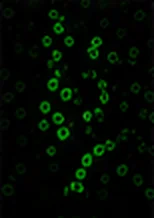
CD3 (T Cells)
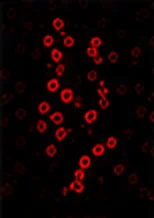
CD57 (Senescent Cells)

MitoTracker (Mitochondria)

γ-H2AX (DNA Damage)

CD34 (Stem Cells)

Merged (Multi-color)
Healthy Aging Biomarker Reference Ranges
| Biomarker | Optimal Range | Good Range | Attention | High Risk | Health Implication |
|---|---|---|---|---|---|
| Treg / CD4+ Ratio | 5 – 15% | 3 – 5% | < 3% | Immune balance & anti-inflammatory capacity | |
| CD57+ T Cell Ratio | < 20% | 20 – 30% | > 30% | < 30% | Senescent cell accumulation |
| Mitochondrial Potential (ΔΨm) | > 80% | 60 – 80% | < 60% | Low mitochondrial activity | |
| Telomere Length (kb) | > 7.5 | 5.0 – 7.5 | < 5.0 | Cellular aging indicator | |
| Total Antioxidant Capacity (U/L) | > 40 | 20 – 40 | < 20 | Antioxidant defense capacity | |
| γ-H2AX Positive Cells | < 5% | 5 – 10% | > 10% | DNA damage & repair capacity | |
| CD34+ Stem Cell Ratio | > 0.1% | 0.05 – 0.1% | < 0.05% | Regenerative potential | |
| ROS Level (MFI) | Low | Medium | High | Oxidative stress level |
Clinical Applications
Biological Age Evaluation
Comprehensive assessment of biological age
Chronic Disease Risk Assessment
Early detection of cardiovascular, metabolic, immunity, and cancer risk
Antioxidant Capacity Assessment
Evaluate body's antioxidant defense systems
Personalized Health Management
Develop personalized strategies for healthy aging
Treatment Efficacy Monitoring
Monitor effectiveness of anti-aging interventions and lifestyle modifications
Precision Prevention
Provide scientific basis for precision prevention and health maintenance
Test Highlights
- Advanced multiparameter flow cytometry for precise analysis
- Comprehensive assessment of immunity, aging, energy, repair and regeneration
- Quantify individual biological age with scientific biomarkers
- Early detection of health risks to prevent chronic diseases
- AI-powered algorithm for integrated analysis and reporting
- Personalized anti-aging and health management recommendations
Test Specifications
- Sample Type: Peripheral blood 5–10 mL (EDTA tube)
- Testing Method: Multiparameter flow cytometry + molecular assays
- Turnaround Time: 7–10 business days
- Applicable Age: Adults and children (recommended > 20 years old)
- Report Content: Longevity biomarker evaluation, health risk analysis, personalized anti-aging recommendations
Important Notes
- Fasting is not required before the test
- Avoid vigorous exercise, alcohol, and staying up late 24 hours before collection
- Inform your healthcare provider of any medications or chronic conditions
- Results should be interpreted by a healthcare professional in combination with medical history and other clinical findings
- Test results serve as guidance for health management and do not replace medical diagnosis
FAQ
Q.How is the Healthy Aging Test different from a regular health check-up?
This test provides an in-depth evaluation of aging, energy production, and cellular repair capacity at the cellular level, offering a more precise approach to preventive medicine.
Q.Can the test results be improved over time?
Yes. Lifestyle modifications, nutritional support, and medical interventions can effectively improve these health indicators.
Q.How often should I take the test?
We recommend testing at least once a year to monitor health status and track healthy aging progress.
Q.Is there an age requirement for the test?
The test is recommended for adults aged 20 and above. Children should be evaluated by a physician before testing.
Q.How long does it take to receive the results?
Reports are typically available within 7–10 business days, with expedited processing available for urgent requests.
Q.Is the test safe?
The test requires only a blood sample, is safe with no significant side effects, and is suitable for routine health management.