
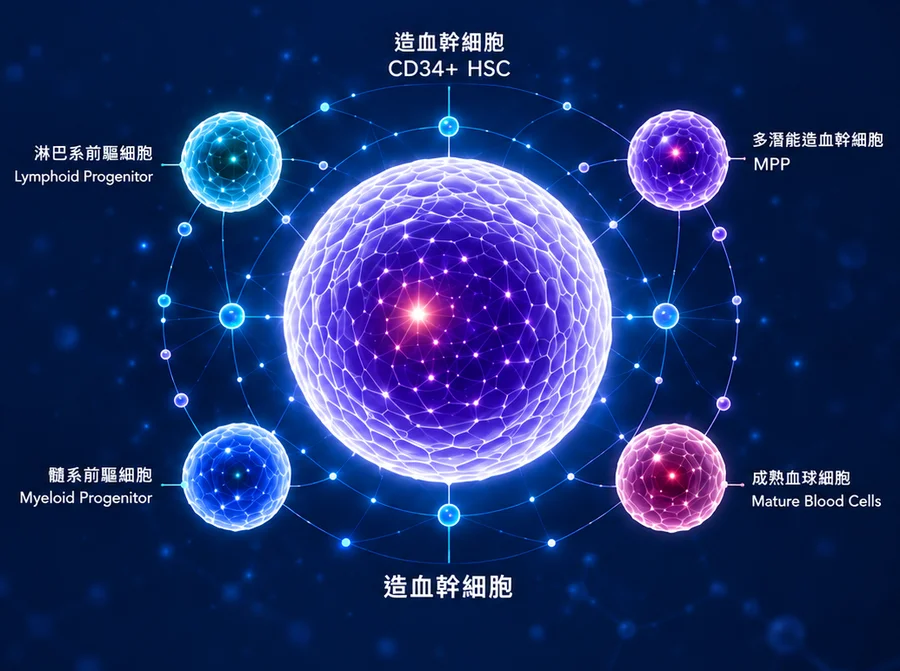
Blood Function Assessment
Evaluate blood cell counts and functional status.
Disease Risk Assessment
Assess risks of blood disorders, leukemia, and other hematologic diseases.
Treatment Efficacy Monitoring
Monitor therapeutic response and detect changes in blood regeneration.
Regenerative Capacity Evaluation
Evaluate HSC self-renewal and differentiation potential for prognosis prediction.
Applicable To
Healthy Individuals
Health check-ups and proactive management.
Hematologic Disease Patients
Leukemia, anemia, bone marrow failure syndromes, etc.
Post-Chemotherapy/ Radiotherapy
Assess blood regeneration and treatment response.
Bone Marrow Transplant Recipients
Monitor engraftment and hematopoietic recovery.
Elderly / High-Risk Populations
Early detection of hematopoietic decline and disease risk.
Test Contents
Comprehensive multiparametric flow cytometry to assess HSC quantity, activity, and differentiation potential.
HSC Analysis
- CD34+ HSC
- CD38- Primitive HSC
- CD90+ HSC
- CD45RA– HSC
- Ki-67 Proliferation
- Hematopoietic Stemness Index
Progenitor Cell Analysis
- Multipotent Progenitors (MPP)
- Common Lymphoid Progenitors (CLP)
- Common Myeloid Progenitors (CMP)
- Granulocyte-Macrophage Progenitors (GMP)
- Megakaryocyte-Erythroid Progenitors (MEP)
Functional Activity Analysis
- Cell Proliferation (Ki-67)
- Apoptosis (Annexin V)
- Cell Cycle Analysis
- DNA Content (Ploidy)
- Reactive Oxygen Species (ROS)
Microenvironment Analysis
- Mesenchymal Stem Cells (MSC)
- Endothelial Cells
- Cytokine Profiling
- Niche Cell Function Assessment
- Microenvironment Activity Analysis
Test Process

Sample Collection
Collect peripheral blood sample.

Cell Isolation
Isolate target cells and prepare for staining.

Staining & Incubation
Stain cells with antibodies and incubate.

Flow Cytometry Analysis
Multiparametric flow cytometry analysis.

AI Analysis
AI algorithm analysis and interpretation.
Report Generation
Expert report with interpretation and results.

Clinical Application
Provide personalized recommendations and follow-up.
Multiparametric Immunofluorescence Imaging Examples
* Images are for reference only. Actual results may vary.
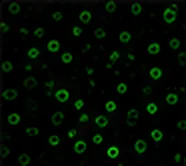
CD34 (HSC)
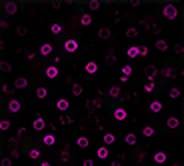
CD38 (Primitive HSC)

CD90 (HSC)
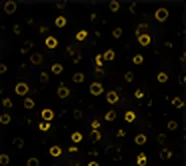
CD45RA (Differentiation)
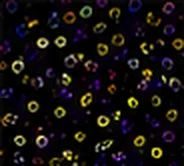
Composite Image
HSC Reference Ranges
| Parameter | Reference Range (%) | Clinical Significance |
|---|---|---|
| CD34+ HSC | 0.1 – 0.5 | Indicator of total HSC quantity |
| CD34+CD38- Primitive HSC | 10 – 30 | Proportion of primitive HSCs |
| CD34+CD90+ HSC | 5 – 20 | Long-term hematopoietic potential |
| MPP (Multipotent Progenitors) | 20 – 40 | Multipotent progenitor cell level |
| Ki-67+ Proliferative HSCs | 1 – 10 | HSC proliferative activity |
* Reference ranges may vary depending on laboratory methods and individual conditions.
Clinical Applications
Blood Regeneration Assessment
Evaluate hematopoietic function and blood regenerative capacity.
Disease Risk Assessment
Predict risk of leukemia, bone marrow failure, and other hematologic diseases.
Treatment Monitoring
Monitor chemotherapy, radiotherapy, and transplant treatment response.
Prognosis Evaluation
Evaluate long-term hematopoietic function and survival outcomes.
Key Features
- Multiparametric flow cytometry for comprehensive analysis
- Quantify CD34+ HSCs and assess functional activity
- Evaluate differentiation potential and subset proportions
- Analyze cell cycle status and proliferative capacity
- AI-powered analysis for precise hematopoietic assessment
- Provide personalized health recommendations and treatment guidance
Test Specifications
- Sample Type: Peripheral Blood (5–10 mL) or Bone Marrow (2–3 mL)
- Test Method: Multiparametric Flow Cytometry
- Turnaround Time: 7–10 Business Days
- Applicable Population: Adults and Children
- Report Contents: HSC quantity, subset distribution, functional activity, proliferation status, differentiation potential, and clinical recommendations.
Important Notes
- No fasting required.
- Avoid strenuous exercise 24 hours prior to sample collection.
- Inform your physician of current medications and medical history.
- If you have an infectious disease or are under treatment, please inform your physician.
- Test results should be interpreted by a professional physician in conjunction with clinical findings.
FAQ
Q.Is fasting required before the test?
No. Fasting is not required before the test, and you may maintain your normal diet and daily routine.
Q.Can hematopoietic stem cell levels change over time?
Yes. The quantity and activity of hematopoietic stem cells can be influenced by age, disease, treatment, lifestyle factors, and overall health conditions.
Q.What do abnormal test results indicate?
Abnormal results may indicate impaired hematopoietic function, bone marrow dysfunction, or reduced regenerative capacity, and should be interpreted together with clinical findings.
Q.Are there any risks associated with the test?
The test requires only a blood sample or a small bone marrow specimen and is considered a low-risk procedure similar to routine laboratory testing.
Q.How often should follow-up testing be performed?
Follow-up testing every 6–12 months is generally recommended. Patients with hematologic diseases or those receiving chemotherapy or stem cell transplantation may require more frequent monitoring.
Q.Who should consider taking this test?
This test is recommended for patients with anemia or hematologic disorders, individuals undergoing chemotherapy or radiation therapy, stem cell donors, and those interested in regenerative medicine and preventive health management.