
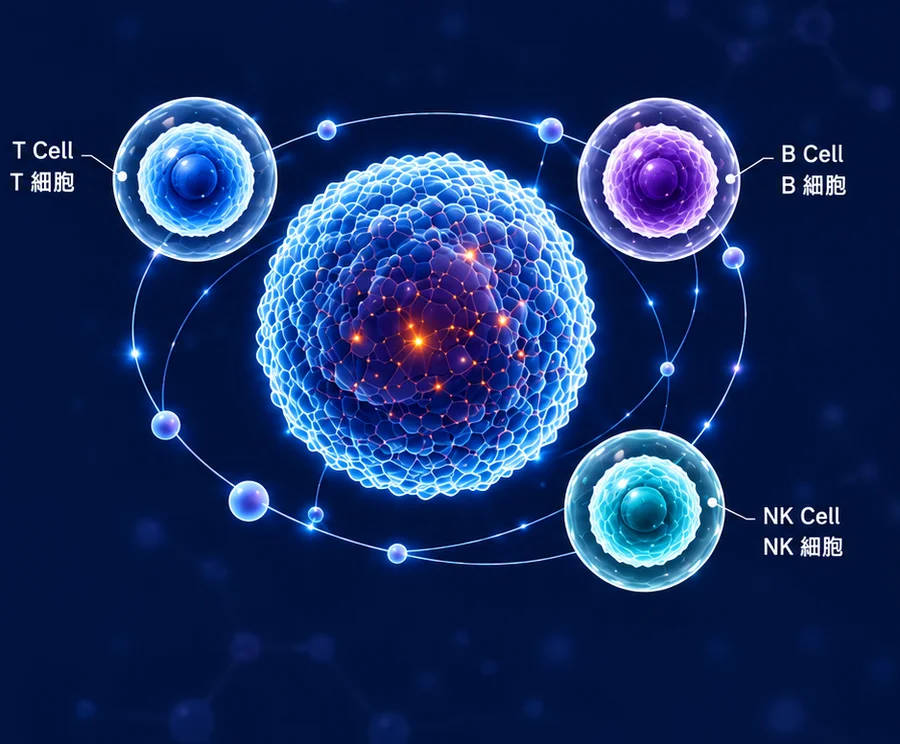
Comprehensive Immune Assessment
Evaluate T, B, and NK cells to understand overall immune status
Precise Data Analysis
Quantify cell levels and assess immune function
Disease Risk Prediction
Early detection of immune imbalance and risk of disease progression
Personalized Health Management
Track immune changes and support personalized health strategies
Suitable For
General Health Check-up
Assess overall immune status and comprehensive health condition
Individuals with Low Immunity
Understand immune status and identify improvement directions
Patients with Chronic Diseases
Monitor immune changes and treatment effects
Elderly Population
Support immune health and enhance quality of life
Test Contents
Using multiparameter flow cytometry, comprehensively analyze the quantity and function of T, B, and NK cells.
T Cells (T Cell)
- Total T Cells (CD3+)
- Helper T Cells (CD4+)
- Cytotoxic T Cells (CD8+)
- Activated T Cells (CD4+/CD69+)
- Memory T Cells
B Cells (B Cell)
- Total B Cells (CD19+)
- Naïve B Cells
- Memory B Cells
- Plasma Cells
NK Cells (NK Cell)
- Total NK Cells (CD16+/CD56+)
- Activated NK Cells
- NK Cell Functional Evaluation
Testing Process

Sample Collection
Collect peripheral blood sample

Cell Isolation
Isolate peripheral blood mononuclear cells (PBMCs)

Staining
Perform multi-color antibody staining for flow cytometry

AI Analysis
AI algorithm analyzes cell quantity and function

Report Generation
Generate professional analysis report and test results

Clinical Application
Provide personalized health management recommendations
Multiparameter Fluorescence Images (Examples)
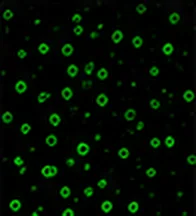
CD3 (T Cell)
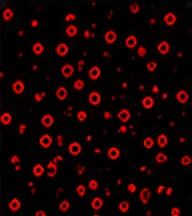
CD19 (B Cell)
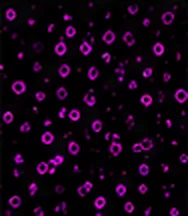
CD4 (T Cell)
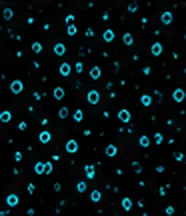
CD16/CD56 (NK Cell)

Merged Image
TBNK Cell Reference Ranges
| Cell Type | Reference Range (%) | Clinical Significance |
|---|---|---|
| Total T Cells (CD3+) | 60 – 85 | Core immune function |
| Helper T Cells (CD4+) | 30 – 60 | Immune regulation and assistance |
| Cytotoxic T Cells (CD8+) | 20 – 40 | Direct killing of infected or tumor cells |
| B Cells (CD19+) | 5 – 20 | Antibody production and humoral immunity |
| NK Cells (CD16+/CD56+) | 5 – 20 | Natural immune defense, clear virus-infected cells |
* Reference ranges may vary depending on laboratory methods and population characteristics. Please interpret results in combination with clinical conditions.
Clinical Applications
Immune Function Assessment
Comprehensive evaluation of immune status
Disease Risk Prediction
Early detection of potential immune-related risks
Treatment Effect Monitoring
Monitor treatment response and immune recovery
Vaccine Response Evaluation
Assess immune response and vaccine effectiveness
Autoimmune Disease Support
Assist in diagnosis and management of autoimmune diseases
Health Management & Anti-aging
Support healthy aging through immune optimization
Test Features
- Multiparameter flow cytometry for precise analysis
- Quantify T, B, and NK cell numbers and proportions
- Assess cell activation status and immune function
- Comprehensive immune profile and result interpretation
- AI algorithm analysis to provide personalized health recommendations
- Track immune trends and evaluate changes over time
Test Specifications
- Sample Type: Peripheral blood, 5–10 mL
- Test Method: Multiparameter flow cytometry
- Turnaround Time: 7–10 business days
- Suitable For: Adults and children
- Report Content: Cell counts, proportions, activation status, functional evaluation, and health recommendations
Notes
- Fasting is not required
- Avoid intense exercise 24 hours before testing
- Inform your doctor of any medications or health conditions
- If you have an acute infection or fever, it is recommended to postpone the test
- Test results should be interpreted by a professional physician in combination with clinical findings
FAQ
Q.Is fasting required before the TBNK Immune Cell Test?
No. Fasting is not required before the test. You may maintain your normal diet, but it is recommended to avoid strenuous exercise and inform your physician about any medications you are taking.
Q.How long does it take to receive the test results?
Test reports are typically available within 7–10 business days. The turnaround time may vary depending on specimen quality and laboratory analysis.
Q.Can children undergo the TBNK Immune Cell Test?
Yes. The TBNK Immune Cell Test is suitable for individuals of all ages, including children. Testing should be performed based on a physician's recommendation.
Q.What should I do if my test results are abnormal?
Your results should be reviewed by a healthcare professional together with your medical history and clinical findings to provide personalized health management and treatment recommendations.
Q.How often should I repeat the test?
Follow-up testing every 6–12 months is generally recommended to monitor changes in immune cell populations, immune function, and overall health.
Q.Are there any risks associated with the test?
The test requires only a small peripheral blood sample and is considered a low-risk procedure similar to a routine blood test.