

Immune Status Assessment
Quantify TILs to measure the level of immune cell infiltration.
Immunotherapy Response Prediction
Predict response to immunotherapy and effectiveness.
Prognostic Indicator Evaluation
Evaluate prognosis and risk of recurrence and metastasis.
Personalized Treatment Recommendation
Provide personalized treatment strategies and follow-up plans.
Suitable For
Cancer Patients
Patients with various solid tumors
Immunotherapy Candidates
Evaluate suitability and potential benefit of immunotherapy
Treatment Effect Evaluation
Monitor treatment response and immune changes
Personalized Therapy Planning
Develop optimal treatment and follow-up strategies
Test Contents
Using multiparameter flow cytometry and AI image analysis to comprehensively evaluate the types, quantity, and functional status of TILs.
T Cell Subsets
- CD3+ T Cells
- CD4+ T Cells
- CD8+ T Cells
- Th1 / Th2 Cells
- Regulatory T Cells (Treg)
Myeloid Cells
- Macrophages (CD68+)
- Dendritic Cells (DCs)
- MDSCs
- Neutrophils
Other Immune Cells
- NK Cells (CD56+)
- B Cells (CD19+)
- Plasma Cells
- Eosinophils
Functional Markers
- Activation Markers
- Exhaustion Markers
- Cytokines
- Cytotoxic Molecules
Testing Process

Sample Collection
Collect fresh tumor tissue sample

Cell Preparation
Isolate single cells from tumor tissue

Staining
Multi-color antibody staining

Data Acquisition
High-parameter flow cytometry data acquisition

Data Analysis
AI analysis for cell subset and function

Report & Recommendation
Generate report and provide clinical recommendations
Multiparameter Fluorescence Images (Examples)
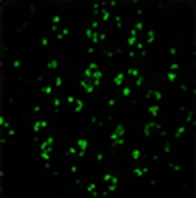
CD3 (T Cells)
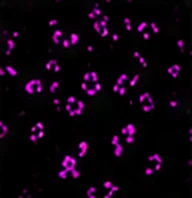
CD8 (Cytotoxic T Cells)
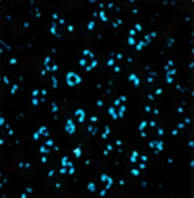
CD68 (Macrophages)
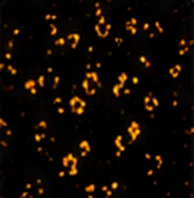
PD-1 (Exhausted Cells)

Merged Image
TIL Reference Ranges and Clinical Significance
| TIL Level | Infiltration Level (TIL Score) | Clinical Significance |
|---|---|---|
| High (≥50%) | High infiltration | Strong immune response, better prognosis, more likely to benefit from immunotherapy |
| Moderate (10–50%) | Moderate infiltration | Intermediate immune response, may benefit from immunotherapy |
| Low (<10%) | Low infiltration | Weak immune response, consider alternative treatments |
* Reference ranges may vary depending on laboratory methods and clinical settings. Please interpret results in combination with clinical conditions.
Clinical Applications
Predict Immunotherapy Response
Assess likely response to PD-1/PD-L1 and other therapies
Prognosis and Risk Stratification
Evaluate overall survival and recurrence risk
Treatment Efficacy Monitoring
Monitor immune changes during treatment
Personalized Treatment Guidance
Guide individualized treatment decisions
Biomarker Research and Drug Development
Support clinical research and new drug development
Test Features
- High-precision multiparameter flow cytometry analysis
- Quantify TILs and evaluate their functional status
- Comprehensive evaluation of multiple immune cell markers
- Integrated with AI algorithms to predict treatment response
- Provide clinical risk assessment and prognostic evaluation
- Offer evidence-based recommendations for clinical treatment
- High sensitivity, high reproducibility, and reliable results
Test Specifications
- Sample Type: Fresh tumor tissue
- Sample Requirement: ≥ 5 mm³
- Test Method: Multiparameter flow cytometry
- Turnaround Time: 7–10 business days
- Applicable Population: Adults and children
- Report Content: Immune cell subset composition, quantity, functional status, TIL score, clinical interpretation, and treatment recommendations
Notes
- Fasting is not required
- Avoid intense exercise 24 hours before sampling
- Inform your physician of any medications or underlying conditions
- If you have an acute infection or fever, it is recommended to postpone the test
- Test results should be interpreted by a professional physician in combination with clinical findings
FAQ
Q.Does the TIL Test require surgery?
Yes. The TIL Test requires a tumor tissue sample obtained from surgery or a biopsy. No additional specimen collection is usually required.
Q.Can the TIL Test influence treatment decisions?
Yes. The quantity, activity, and distribution of tumor-infiltrating lymphocytes help physicians evaluate the likelihood of response to immunotherapy and support personalized treatment planning.
Q.Can my TIL score change over time?
Yes. TIL scores may change in response to treatment, disease progression, or changes in the immune microenvironment, making them valuable for ongoing treatment monitoring.
Q.How accurate is the TIL Test?
The test combines multiplex immunofluorescence staining, AI-powered image analysis, and pathological interpretation to provide a highly accurate assessment of the tumor immune microenvironment.
Q.How long does it take to receive the results?
Results are typically available within 7–10 business days after multiplex immunofluorescence analysis, AI processing, and comprehensive pathological review.
Q.Which cancers are suitable for TIL testing?
The TIL Test is applicable to many solid tumors, including breast cancer, lung cancer, colorectal cancer, melanoma, and other cancers where evaluation of the tumor immune microenvironment can help guide treatment decisions.