

Immune Balance Assessment
Evaluate immune balance and risk of immune dysregulation
Precise Data Analysis
Quantify Treg number and functional activity
Disease Risk Prediction
Assess risk of autoimmune diseases, allergies, and tumor-related risks
Personalized Therapy Monitoring
Track treatment response and immune recovery capacity
Key Roles in Immune Balance
Suppress immune overactivation and prevent autoimmunity
Maintain immune tolerance and support normal immune function
Modulate inflammatory responses and reduce tissue damage
Promote immune balance and enhance overall immune quality
Suitable For
Patients with Autoimmune Diseases
Such as rheumatoid arthritis, lupus, psoriasis, thyroiditis, IBD, etc.
Patients with Allergic Conditions
Such as asthma, allergic rhinitis, atopic dermatitis, food allergies, etc.
Patients with Chronic Inflammation
Such as chronic infections, chronic pain, chronic hepatitis, etc.
Health Management and Follow-up
Immune balance evaluation, anti-aging, and disease prevention
Test Contents
Through multiparameter flow cytometry, comprehensively analyze the quantity and function of Treg cells.
Treg Surface Markers
- CD4+ T Cells
- CD25 High Expression (IL-2Rα)
- CD127 Low Expression (IL-7Rα)
- CD45RA / CD45RO
- CCR7 · CTLA-4
Treg Functional Markers
- FoxP3 (Master Transcription Factor)
- Helios (Stability Marker)
- Ki-67 (Proliferation Marker)
- CD39 · CD73 (Suppressive Function)
- IL-10 · TGF-β (Immunosuppressive Cytokines)
Testing Process

Sample Collection
Collect peripheral blood sample

Cell Isolation
Isolate peripheral blood mononuclear cells (PBMCs)

Staining
Perform multi-color antibody staining for flow cytometry

AI Analysis
AI algorithm analyzes Treg quantity and function

Report Generation
Generate professional analysis report and test results

Clinical Application
Provide personalized health management recommendations
Multiparameter Fluorescence Images (Examples)
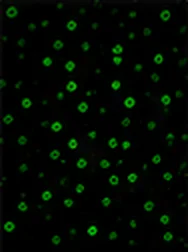
CD4 (T Cell)

CD25 (IL-2Rα)

FoxP3

CD127 (IL-7Rα)

Merged Image
Treg Cell Reference Ranges
| Treg Indicator | Reference Range (%) | Clinical Significance |
|---|---|---|
| Treg (CD4+CD25+FoxP3+) | 5 – 10 | Optimal immune balance |
| CD25 High Expression Treg | 3 – 8 | Immunosuppressive function indicator |
| CD127 Low Expression Treg | 2 – 6 | Stable Treg proportion indicator |
| Suppressive Function (IL-10+) | 1 – 3 | Suppressive activity indicator |
| Proliferation Activity (Ki-67+) | 1 – 5 | Treg cell activation and proliferation status |
* Reference ranges may vary depending on laboratory methods and population characteristics. Please interpret results in combination with clinical conditions.
Clinical Applications
Autoimmune Disease Evaluation
Assess immune tolerance and risk of immune dysregulation
Treatment Efficacy Monitoring
Monitor treatment response and immune balance
Immune Recovery Assessment
Evaluate immune recovery and regeneration
Vaccine Response Prediction
Predict vaccine response and immune effectiveness
Allergy and Inflammation Assessment
Assess allergic and inflammatory responses
Health Management and Anti-aging
Maintain immune balance and support healthy aging
Test Features
- Multiparameter flow cytometry for precise analysis
- Quantify Treg number and suppressive function
- Evaluate immune tolerance and immune balance status
- AI algorithm analysis to provide health recommendations
- Monitor treatment response and immune recovery capacity
Test Specifications
- Sample Type: Peripheral blood, 5–10 mL
- Test Method: Multiparameter flow cytometry
- Turnaround Time: 7–10 business days
- Suitable Age: Adults and children
- Report Content: Treg quantity, proportion, function, and health recommendations
Notes
- Fasting is not required
- Avoid intense exercise 24 hours before testing
- Inform your doctor of any medications or health conditions
- If you have an acute infection or fever, it is recommended to postpone the test
- Test results should be interpreted by a professional physician in combination with clinical findings
FAQ
Q.Is fasting required before the Treg Cell Test?
No. Fasting is not required before the test. However, it is recommended to avoid strenuous exercise and inform your physician about any medications you are currently taking.
Q.What does a low Treg cell count indicate?
A reduced number or function of Treg cells may indicate immune imbalance and may be associated with autoimmune diseases, chronic inflammation, or an increased risk of allergic disorders.
Q.What does a high Treg cell count indicate?
Elevated Treg cell levels may suppress normal immune responses and can be associated with tumor immune evasion, chronic infections, or immunosuppressive conditions. Clinical interpretation is recommended.
Q.What should I do if my test results are abnormal?
Your results should be reviewed by a healthcare professional together with your medical history and clinical findings to develop an appropriate health management or treatment plan.
Q.How often should I repeat the test?
Follow-up testing every 6–12 months is generally recommended. Patients with autoimmune diseases or those receiving immunotherapy may require more frequent monitoring based on physician recommendations.
Q.Are there any risks associated with the test?
The test requires only a small peripheral blood sample and is considered a low-risk procedure similar to a routine blood test.