
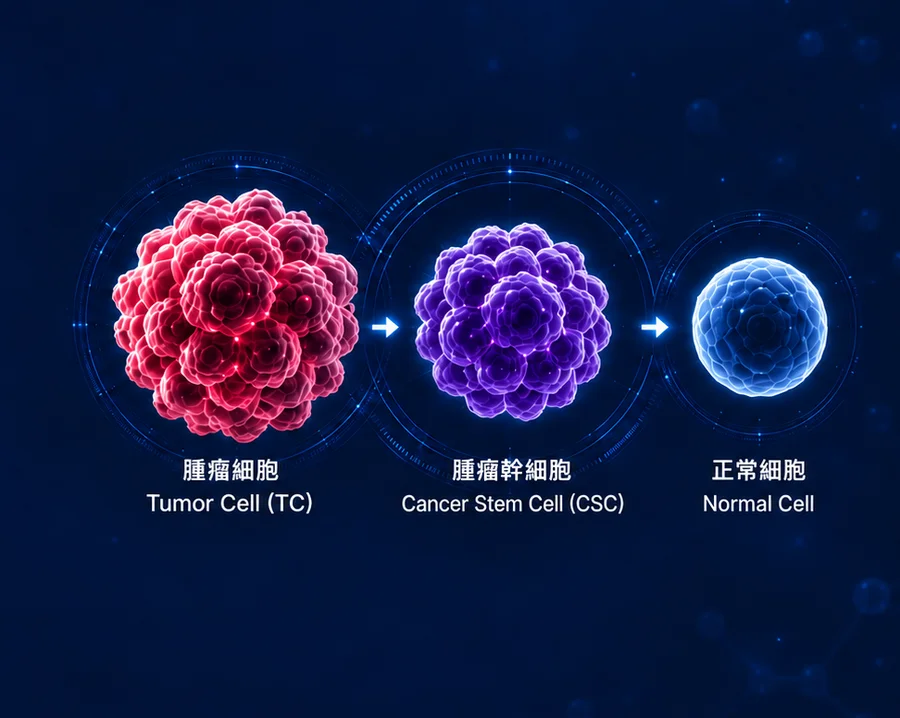
Precise Identification
Simultaneous detection of tumor cells and cancer stem cells
Malignancy Assessment
Evaluate aggressiveness and risk of metastasis and recurrence
Treatment Strategy Guidance
Assist in treatment planning and monitor therapeutic response
Therapy Monitoring and Tracking
Monitor treatment response and minimal residual disease (MRD)
Tumor Cell
(TC)
Rapid proliferation and high aggressiveness
Cancer Stem Cell
(CSC)
Self-renewal Drug resistance Easy to metastasize and recur
Normal Cell
Normal differentiation and stable function
Applicable To
Cancer Patients
Assess tumor characteristics and treatment strategies
Patients Under Treatment
Monitor treatment efficacy and recurrence risk
Post-Surgery Patients
Evaluate minimal residual disease and recurrence risk
High-Risk Individuals
Individuals with a family history or high cancer susceptibility
Test Markers
Comprehensive analysis of multiple markers using flow cytometry to evaluate tumor cell characteristics and cancer stem cell proportions and activity.
Tumor Cell Markers
- EpCAM
- Pan-CK
- HER2
- EGFR
- CD133
Cancer Stem Cell (CSC) Markers
- CD44
- CD133
- CD24 (low/-)
- ALDH1
- CD90
Proliferation & Activity Markers
- Ki-67
- c-Myc
- Survivin
- Notch1
Drug Resistance Markers
- ABCG2
- CD117 (c-Kit)
- PD-L1
- Vimentin
Test Process

Sample Collection
Collect tumor tissue or blood sample

Cell Processing
Isolate target cells and prepare for analysis

Flow Cytometry Analysis
Multiparametric staining and flow cytometry

AI-Based Analysis
AI algorithm analysis of tumor cell/CSC features

Report Generation
Expert report interpretation and results

Clinical Application
Provide personalized treatment recommendations and follow-up
Multiparametric Immunofluorescence Imaging Examples
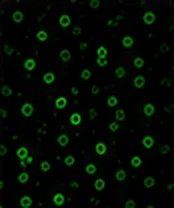
EpCAM (Tumor Cells)
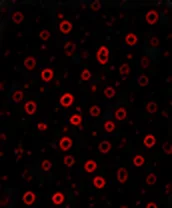
CD133 (CSC)
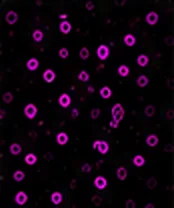
CD44 (CSC)
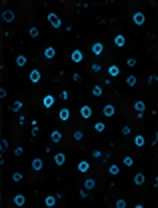
ALDH1 (CSC)

Composite Image
Tumor Cells / CSC Reference Ranges
| Test Item | Reference Range (%) | Clinical Significance |
|---|---|---|
| Tumor Cells (EpCAM+) | ≥ 10 | Tumor burden indicator |
| Cancer Stem Cells (CD44+CD133+) | 0.1 – 5 | CSC proportion indicator |
| ALDH1+ CSC | 0.1 – 3 | CSC activity indicator |
| CD24 low/- CSC | 0.1 – 3 | Malignancy and metastasis risk |
| Ki-67+ Proliferating Cells | 5 – 30 | Tumor proliferation activity |
| PD-L1+ Tumor Cells | 1 – 10 | Immunotherapy response indicator |
* Reference ranges may vary depending on laboratory methods and clinical conditions.
Clinical Applications
Tumor Characterization
Evaluate CSC proportion and tumor cell characteristics
Prognosis and Recurrence Risk Assessment
Predict recurrence and metastasis risk
Treatment Strategy Guidance
Guide precision therapy and immunotherapy
Treatment Response Monitoring
Monitor minimal residual disease (MRD) and treatment response
Personalized Cancer Therapy
Develop individualized treatment plans for patients
Key Features
- Multiparametric flow cytometry for precise analysis
- Identify tumor cells and cancer stem cells (CSC)
- Assess CSC activity and self-renewal capacity
- Predict treatment response, drug resistance, and recurrence risk
- AI-based analysis for comprehensive evaluation reports
- Provide clinical treatment recommendations and follow-up strategies
Test Specifications
- Sample Type: Tumor tissue / Blood 5–10 mL
- Test Method: Multiparametric flow cytometry
- Turnaround Time: 7–10 business days
- Applicable Population: Adults and children
- Report Content: Proportion of tumor cells and CSCs, activity assessment, drug resistance analysis, and clinical recommendations
Important Notes
- No fasting required
- Avoid strenuous exercise 24 hours prior to sample collection
- Inform your physician of current medications and medical history
- If you have an infectious disease or are under treatment, please inform the physician
- Test results should be interpreted by a professional physician in conjunction with clinical findings
FAQ
Q.Is fasting required before the test?
No. Fasting is not required before the test. You may maintain your normal diet and daily routine.
Q.Can Cancer Stem Cell (CSC) testing help guide treatment decisions?
Yes. Cancer stem cells are closely associated with tumor recurrence, metastasis, and treatment resistance, making them valuable indicators for treatment planning and response evaluation.
Q.Can this test be used to monitor treatment effectiveness?
Yes. Regular monitoring of tumor cell and CSC levels can help assess treatment response and disease progression over time.
Q.Do abnormal results mean the cancer is getting worse?
Not necessarily. Test results should be interpreted alongside clinical findings, imaging studies, and other laboratory data by a healthcare professional.
Q.How often should follow-up testing be performed?
Follow-up testing every 2–3 months is generally recommended to monitor tumor activity, treatment response, and recurrence risk.
Q.Are there any risks associated with the test?
The test requires only a blood sample or a small specimen and is considered a low-risk procedure similar to routine blood testing.